Tibet: A Century-long Struggle for Independence
Tibet: A Century-long Struggle for Independence
By the end of the 19th century, China's influence began to diminish in Tibet after the British took over neighboring India. With the Qing dynasty on the verge of collapse, British India sent a frontier commission to Tibet in 1903 to establish diplomatic ties, or more bluntly, to conquer the region.
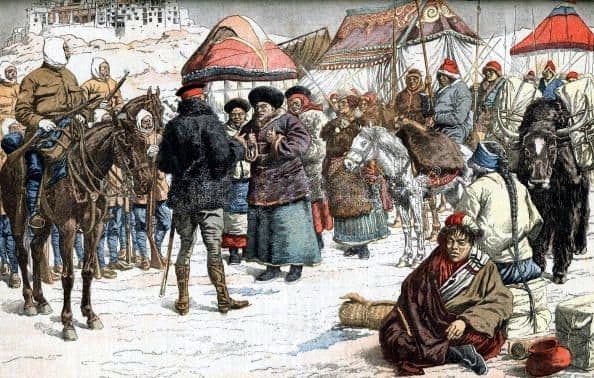
The British had two reasons to invade Tibet. First, they feared that Russians who had already conquered a large chunk of Central Asia might invade Tibet. The power struggle knowns as "The Great Game" between Russia and Britain had initially played out in the 1840s in Afghanistan when the British worried that it might become a proxy for its enemy. This time, they feared that Lhasa, the seat of government in Tibet, might soon become a protectorate of Russia. Second, Tibet was the last Himalayan country that hadn't fallen to British influence and had no trade relations with British India. They wanted to trade with China, the biggest buyer of Indian goods, through Tibet.
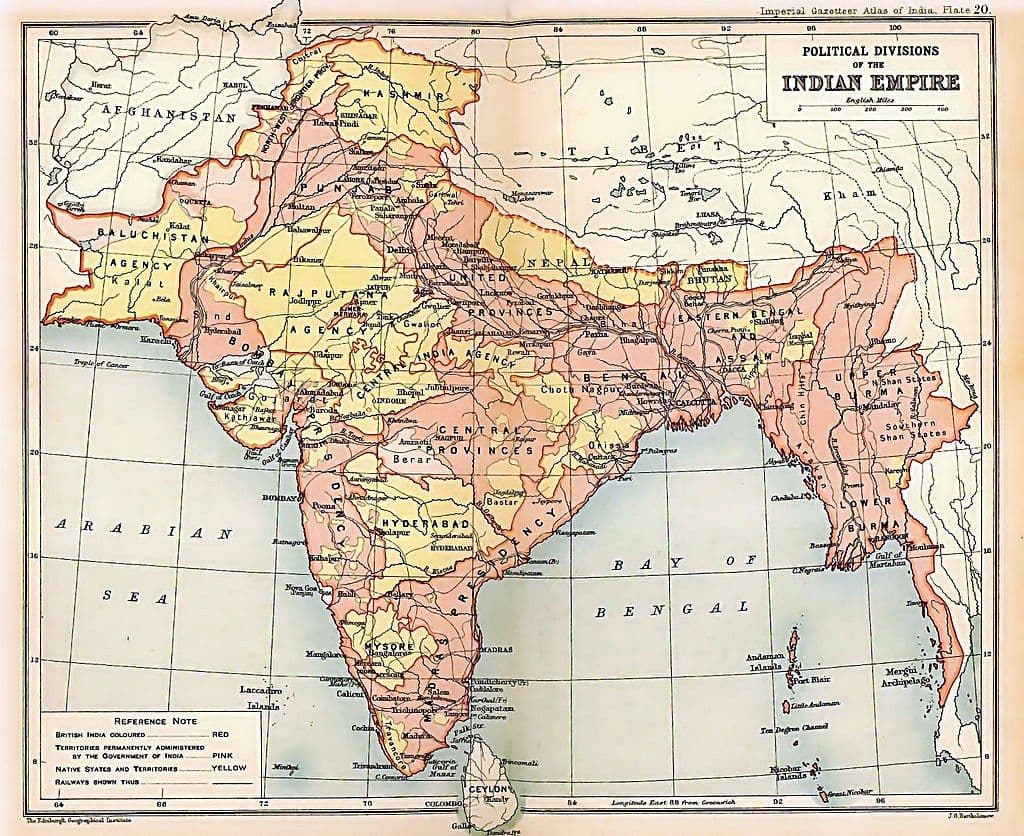
Photo: Wikipedia
Due to Dalai Lama's refusal to cooperate, the commission led by Colonel Francis Younghusband traveled to Lhasa to sway the monk by force. However, by the time they arrived, the 13th Dalai Lama had already fled to Ulaanbaatar, the capital of Mongolia. Regardless, Younghusband forced the Tibetans to sign the Treaty of Lhasa, in which Tibet agreed to four things:
- Tibet would pay a hefty war compensation, and the Chumbi Valley would be ceded to Britain until the payment is settled.
- The British would trade in Yadong, Gyantse, and Gar Yarsa.
- Tibet would recognize the Sikkim-Tibet border, recognizing Anglo-Indian sovereignty over Sikhs that was once part of Tibet.
- Tibet won't have relations with any other foreign powers, including China and Russia.
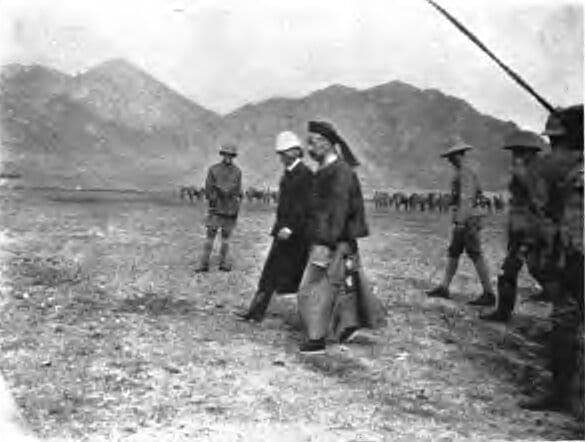
The most controversial thing about this agreement was that Tibet signed the document as an independent state. The Qing Dynasty immediately responded by declaring Tibet part of China for the first time in modern history. The Qing also began a land reform in Tibet, which the Tibetan monks didn't like, and allowed French Catholic missionaries. As a result, in 1905, a massive anti-western, anti-Christian rebellion broke out among Tibetans in eastern Sichuan, northern Yunnan, with prominent Tibetan monasteries like Batang leading the revolt. The rebels massacred all foreigners they captured, including French missionaries, Chinese merchants, representatives of the Qing Emperor, and even 200 Tibetans who converted to Christianity. Some historians believe that the 13th Dalai Lama organized the uprising to avenge the British invasion that humiliated Tibet.
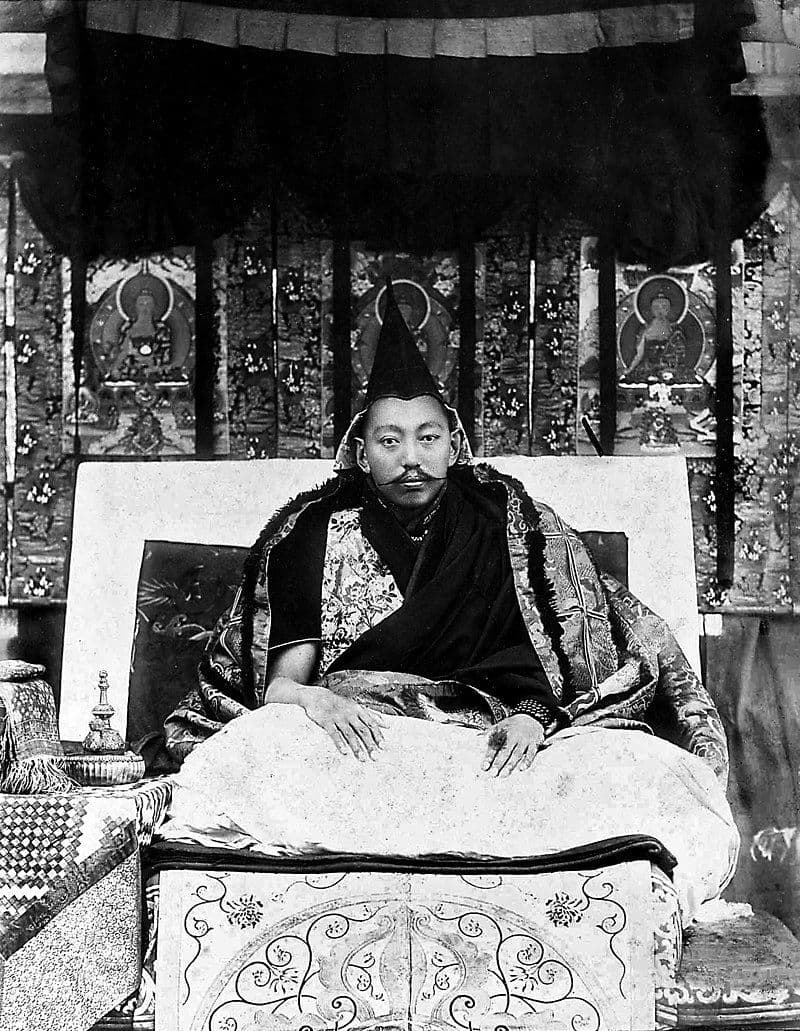
In 1906, after crushing the rebellion, China recognized the Treaty of Lhasa during a convention between Great Britain and China. In return, the British recognized China's sovereignty over Tibet. Meanwhile, China pledged to pay the war compensation of Tibet and regained control of Chumbi Valley. The following year, the British sat down with Russian on the Anglo-Russian Convention to settle the prolonged conflict between the two empires. It ended the longstanding rivalry in Central Asia and established a diplomatic alignment that endured until World War I. At the conference, the two empires recognized China's sovereignty over Tibet and pledged not to negotiate directly with Tibet without Chinese mediation. The 13th Dalai Lama returned to Tibet, only to escape it again a year later, this time to Darjeeling India when Qing made a last effort to reaffirm China's control of Tibet. The Qing Dynasty collapsed in 1912, throwing China into a bitter civil war that lasted nearly four decades. While the country was divided between the Republicans led by Chiang Kai-shek and the Communists led by Mao Zedong, Japan invaded China in 1937. The invasion forced the bitter enemies to unite temporarily to save their country. With so many troubles at home, the affair of Tibet was the last thing to worry about for China.
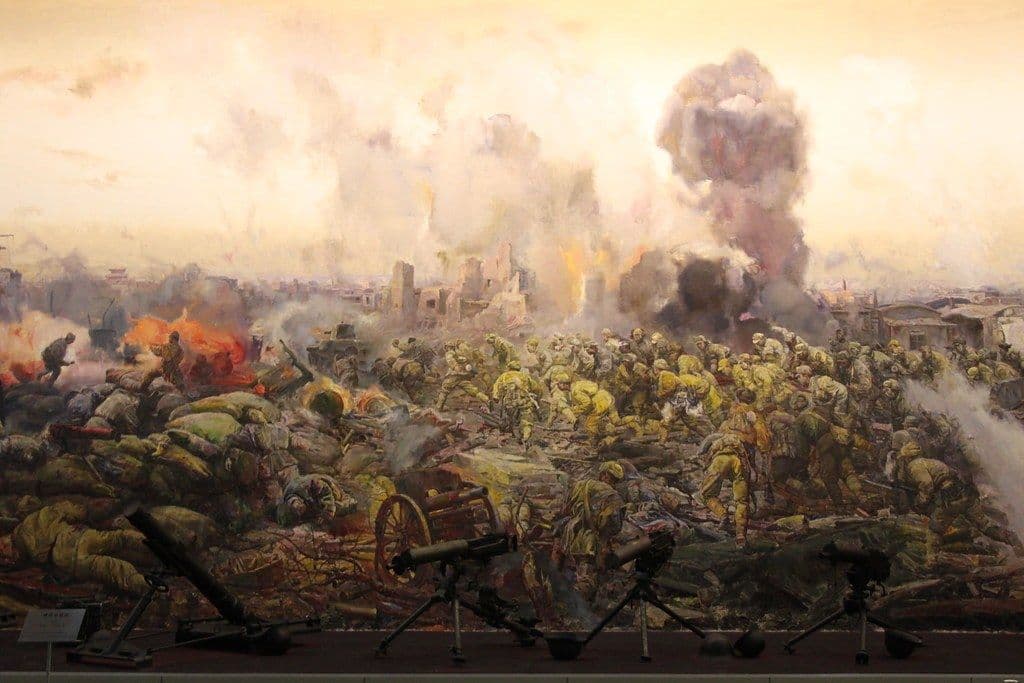
"Chinese Civil War Painting" by Gary Lee Todd
The Dalai Lama returned to Tibet from exile in January 1913. The Republic of China, which claimed the territory of the Qing dynasty, apologized to the Dalai Lama for the aggression of Qing and offered to restore his power. Dalai Lama rejected the offer and stated that he no longer need any degrees from the Chinese. He then declared the independence of Tibet, as Mongolia did after the collapse of the Qing dynasty. The two newly independent nations signed an agreement recognizing each other's sovereignty in January 1913, although no other country in the world recognized them.
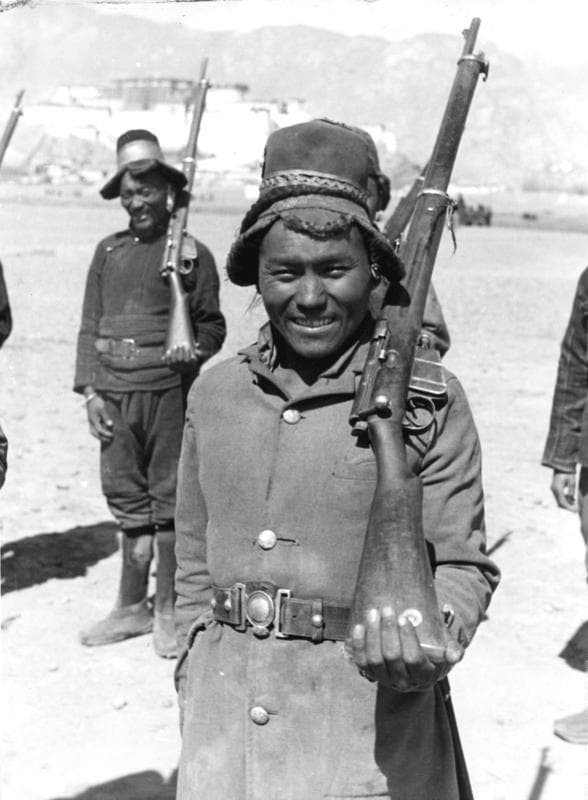
The 13th Dalai Lama delivered a powerful speech in February 1913. He stated that the relations between China and Tibet, from the time of the Yuan dynasty established by Mongols and the subsequent Chinese dynasties, were patron and vassal. Thus, China was never truly sovereign over Tibet, and Tibet was only under the protection of the Chinese Empires. Activists use this statement to undermine China's territorial claim on Tibet even today. After assuming power, Dalai Lama swiftly established an army and introduced a secular education system alongside the religious education system. The legislation was introduced to counter corruption among officials, a national taxation system was established and enforced, and a police force was created. The new law guaranteed civil rights to all Tibetan social classes, including the slaves who made up about 95% of the Tibetan population. Dalai Lama also issued the first postage stamps and the first banknotes of Tibet to strengthen the country's de facto independence. The other reforms introduced by the Dalai Lama included reducing privileges of the aristocratic class, abolishing inhumane punishments like amputation, and prohibiting the enslavement of debtor's children.
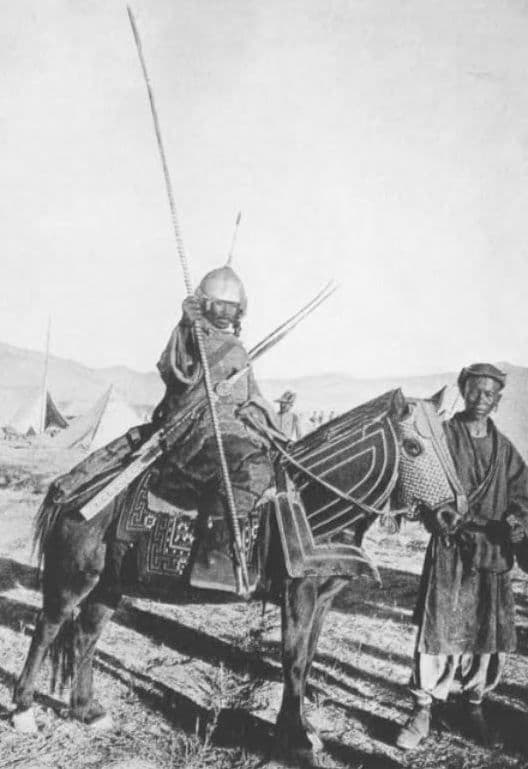
Since 1914, the British, Tibetans, and Chinese began to discuss the status of Tibet. The British proposed to adopt the Mongolian model, in which the country would be split into Inner and Outer Tibet. The Inner Tibet will be under the direct control of China, while Outer Tibet will be allowed to handle its affairs, although remaining as part of China. However, the Chinese declined the proposal, and the British signed a symbolic treaty with Tibet without China. The treaty transferred 65,000 square kilometers of Tibet's territory to India, now known as the Indian state of Arunachal-Pradesh. China, who didn't participate in the treaty, claims to this day that Tibet had no right to sign the agreement and hand out a part of Chinese territory to India. Thus, China continues to have border collisions with India on the Himalayan frontier. Another problem with the treaty is that it established an actual boundary between inner and outer Tibet. The border division allowed China to annex Tibetan territories east of so-called outer Tibet in 1914. That is why only half of historical Tibetan land became Tibet Autonomous Region. Nevertheless, Tibet enjoyed a few years of peace since 1927 due to the Chinese Civil War and Japanese invasion.
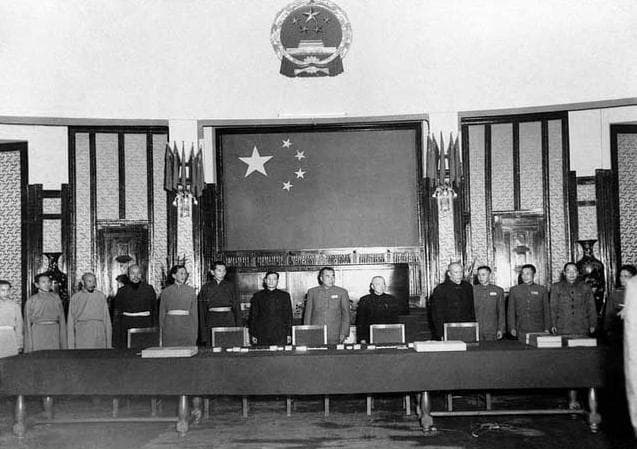
In 1949, the Chinese communist forces won the civil war and proclaimed the People's Republic of China. Mao Zedong immediately sought to restore China's power and incorporate the territories lost during years of turmoil. On October 6, 1950, the People's Liberation Army of China advanced into eastern Tibet, crossing the border at five places. After several clashes, they defeated the Tibetan army. Then, instead of continuing the military conquest, Mao ordered the 14th Dalai Lama to send his representatives to Beijing to sign an agreement between the local government of Tibet and the central government in Beijing. The deal was particularly generous to the Tibetans. It preserved the authorities of the Dalai Lama and Panchen Lama and granted Tibet autonomy to handle its internal affairs. Tibetans were given religious freedom and were allowed to speak in the Tibetan language. However, it recognized China's sovereignty over Tibet as a whole, although not explicitly stated.
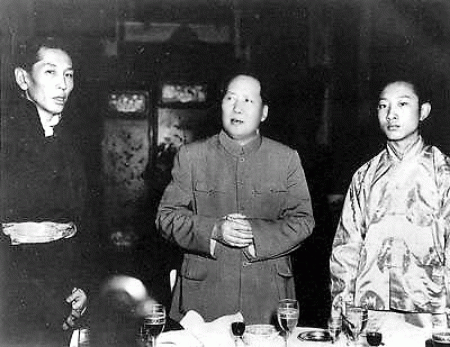
On May 23, 1951, the delegates of the 14th Dalai Lama signed the "Seventeen Point Agreement," affirming Chinese sovereignty over Tibet. A few months later, the government in Lhasa also signed the document. The Dalai Lama even sent a telegram to Beijing, confirming his approval, although he denied the agreement's legitimacy after his escape from Tibet in 1959 on various grounds. He argued that the Tibetan representatives were not authorized to sign the pact. They only signed it due to pressure and threats from the Chinese. Also, the delegates signed the document with a seal prepared for them by Beijing. The delegates arrived without a seal because they didn't plan to sign the agreement but only discuss its terms. Either way, Tibet became part of China. In the first years of the communist rule in Tibet, the Chinese allowed the Tibetans to live their old lives. The nobles were left untouched. The monasteries and the religious establishment were allowed to keep their vast estates, including the slaves. However, the Chinese soon started acting aggressively to seize the land from the feudal lords, liberate the slaves, and redistribute the land. They took harsh measures, including public humiliation, torture, and even executions of the nobility.
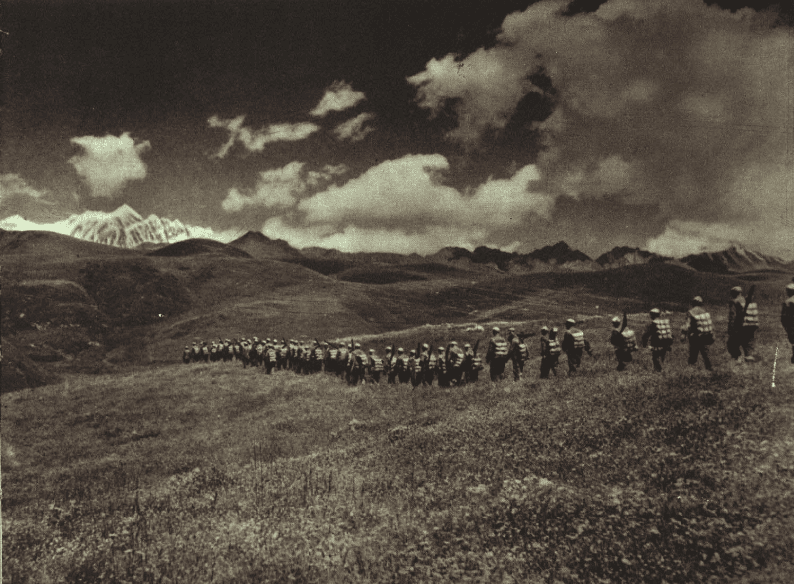
The clash between Mao and Tibetan aristocrats gave birth to two organizations. One was an International Tibet Independence Movement, funded by the CIA and led by Thubten Norbu, brother of the Dalai Lama. The other was a military organization of the exiled Tibetans, who fled to India with the Dalai Lama under Gyalo Thondup, the second brother of the Dalai Lama. The CIA also generously funded this Tibetan guerrilla force and trained its soldiers. Most of its fighters were members of noble families. They entered southern Tibet to help Dalai Lama escape safely to India in 1959. Freedom fighters soon took control of significant chunks of Tibet. The clash between the Chinese troops and Tibetan guerillas caused terrible casualties on both sides. Between 1956 and 1969, 430,000 Tibetans were killed during the violent skirmishes. The Americans withdrew their support from the Tibetan guerrillas before Henry Kissinger's 1972 visit to Beijing.
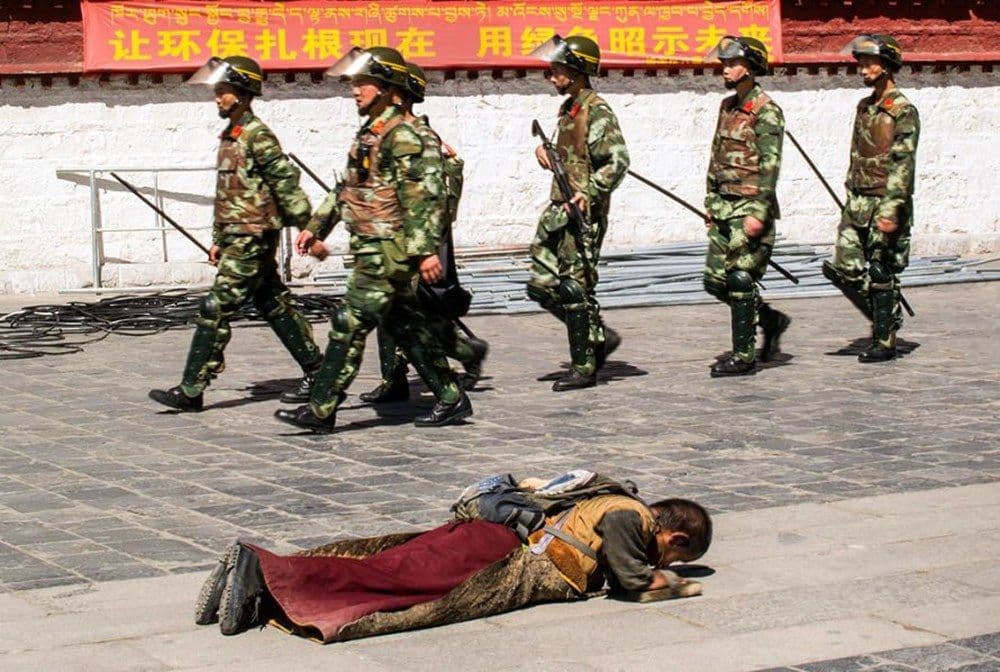
In 1959, China ran out of patience and began to dismantle feudalism in Tibet. The Chinese outlawed the Tibetan government of the Dalai Lama, breaking the Seventeen Points Agreement. With the dissolution of feudalism, slavery was abolished in Tibet. Between the 1970s and the present, many historical sites in Tibet had been burned down. Monks burned themselves in protest, and thousands of protestors had been arrested. Despite all these tragedies, Tibet remains part of China. So, what fuels the conflict between the Chinese and Tibetans? Let's try to answer a few common questions to understand the situation better.
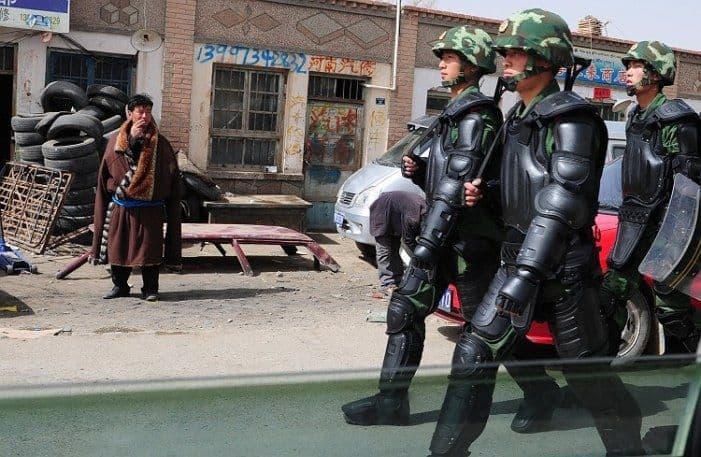
1. Why does China want Tibet?
There are many reasons why China holds onto Tibet despite the global outrage. First, China believes its claim to Tibet is legitimate. Tibet has been part of its territory since the era of the Yuan Dynasty, established by Mongols in the 13th century. Second, Tibet is strategically important to China. While allowing China easy access to India, its biggest trading partner, Tibet, borders with Bhutan, Nepal, Burma and is not far from Pakistan and Bangladesh. In the event of a war, the plateau can become an essential national security barrier to mainland China.
Moreover, the Tibetan plateau contains the world's largest source of fresh water after the Arctic and Antarctic. The six largest rivers in South and Southeast Asia, including the Indus, Ganges, Brahmaputra, Irrawaddy, Salween, and Mekong rivers, originate from Tibet. If you controlled the water reservoir of the whole Asian continent, would you give it up? On top of that, Tibet holds large reserves of silver, lead, and zinc, as well as copper and gold. It has also been reported, though not proven, that China dumps nuclear waste in Tibet, far away from the mainland.
Through propaganda, China explains that it annexed Tibet to free the slaves, who made up 95% of the population in 1951. To back this claim, Beijing provided countless photos of the aristocrats imposing severe punishments on peasants who failed to pay their debts and slaves working in the fields. The government also revealed documents about the Dalai Lama's role in feudalism.
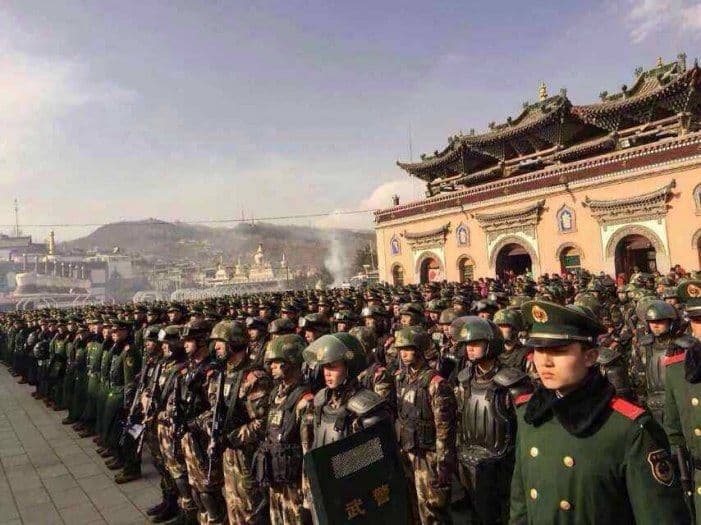
2. What do the Tibetans want?
It is rather hard to answer this question. There are different voices in Tibet, and the loudest ones don't necessarily represent the majority's opinion. In general, the Tibetans express three different views.
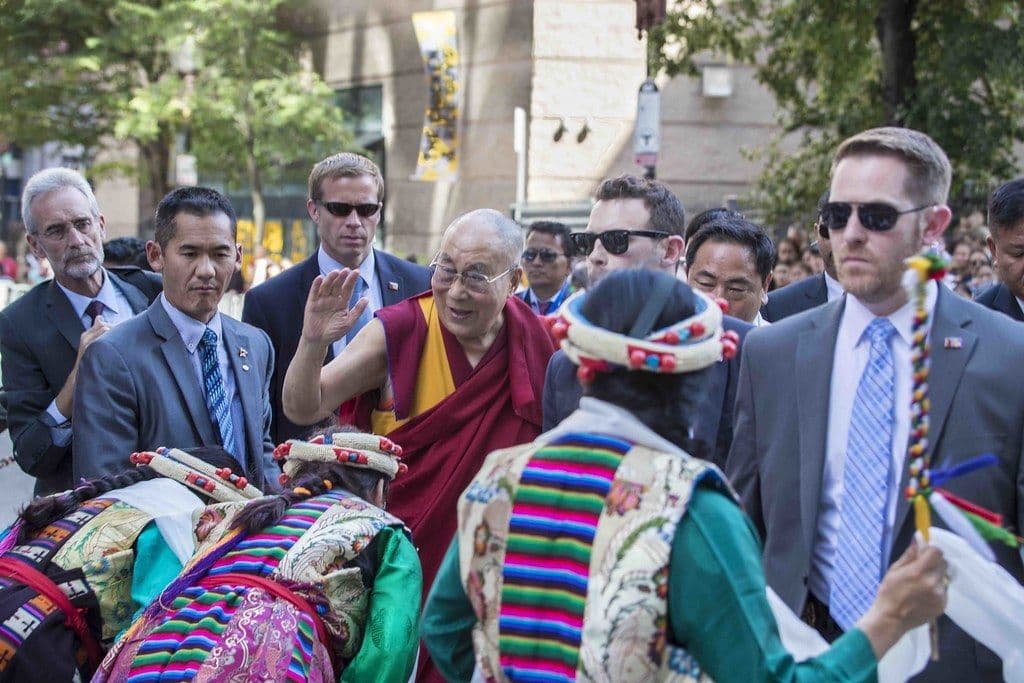
The ones who express their opinion the loudest are the supporters of the Tibetan government in exile in Dharamsala, India, led by the Dalai Lama. They hold refugee status in India because they fear the Tibetan Independence movement would die if they become Indian citizens. Some argue that their primary motive stems from the hope of regaining their positions in Tibet, not from a desire to help Tibetans. Others believe that the Dalai Lama leads the cause to end the Chinese domination of Tibet. It is essential to understand that most Tibetans follow the Dalai Lama out of their religious devotion. Thus, their support doesn't mean they agree with him completely. We don't know how many of them actually support the Dalai Lama because they want to see their homeland liberated from the Chinese. While the Dalai Lama's nonviolent protest for Tibetan independence attracts international media, his popularity jeopardizes the well-being of Tibetans in Tibet. More the media talks about the issue, the more the Chinese government tightens its control over Tibet, fearing that another riot may arise. The exiled government led by the Dalai Lama changes demands for Tibetans from time to time. In general, the Dalai Lama seeks independence for Greater Tibet, including the regions of Kham and Amdo that have been annexed to Chinese provinces. He also claimed parts of Tibet that were annexed to India but gave up on this idea after the Indians expressed displeasure. On few occasions, he tried to reconcile with China and asked for autonomy. Thus, it is hard to describe what they want exactly.
Then there are Tibetans supporting the Chinese. First was the 10th Panchen Lama, who publicly supported the Chinese government after the Dalai Lama fled to India in 1959. He was later sent to prison for denouncing the abusive policies and actions of the People's Republic of China in Tibet. There are also a few Tibetan intellectuals who express gratitude to the Chinese for finally modernizing Tibet. They argue that the centuries of religious and feudal rule prevented Tibet from developing like other countries.
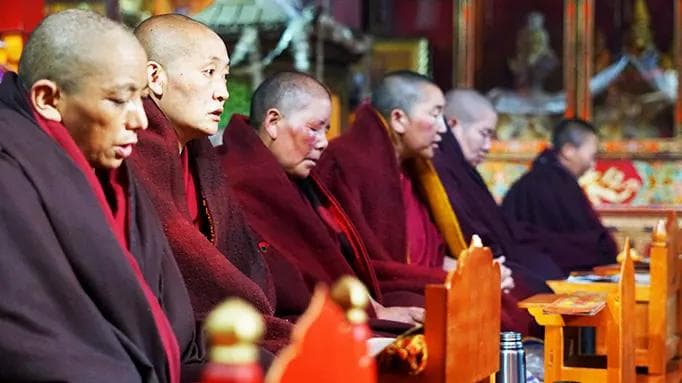
The most silent voice is that of the majority. Most Tibetans don't publicly state their opinions and try to stay away from the ongoing conflict. Some are possibly afraid of expressing their view in a country where freedom of expression is restricted. But anyone who has been to China in the last two decades would know that the communist party is becoming more tolerant towards free speech. They know that idle talks will not threaten the party's sovereignty or provoke violent protests. If a Tibetan guy says he wishes for Tibet to be independent in private conversations, the government would not track him down and punish him. But if he waves signs in the street and calls for street protests, he will be charged. Thus, some Tibetans may be quiet simply because they are happy with the Chinese building schools, hospitals, roads, and railways. Just 30 years ago, Tibetans used to travel on a donkey for days to receive medical treatment. Today, they can reach the hospital from any part of the region in a few hours. In neighboring Bhutan, children still walk two to three hours every morning to their school. Meanwhile, there are now schools in every village in Tibet, and children don't walk long distances to attend class.
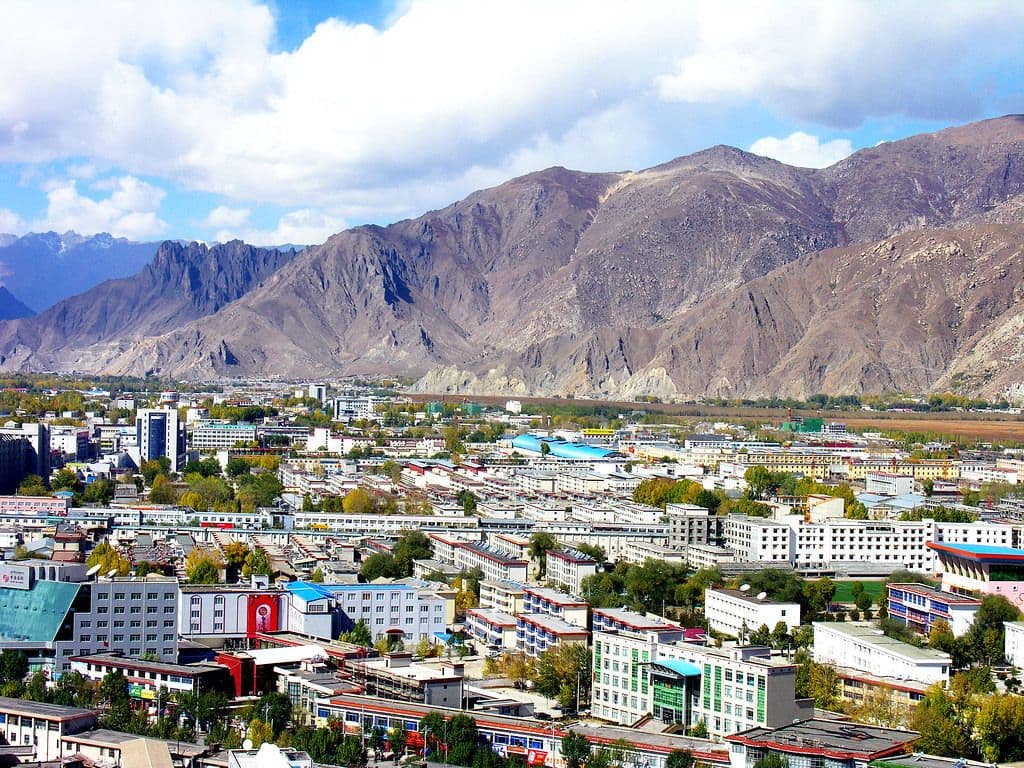
3. How is the current situation?
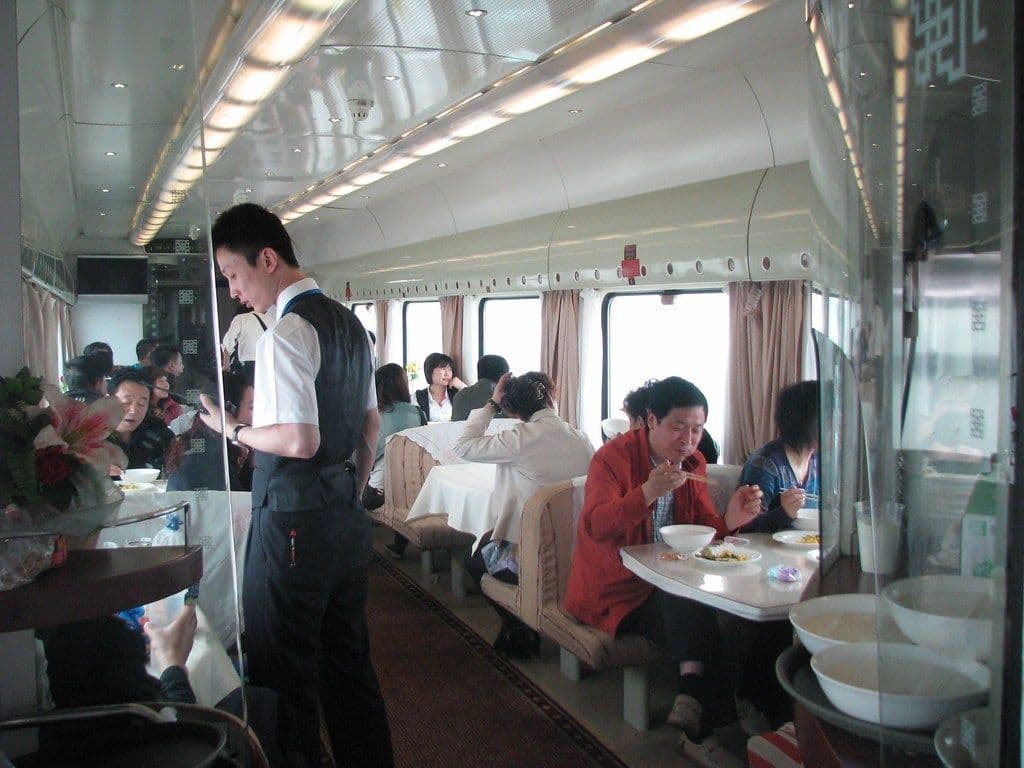
Although China rules Tibet legitimately, the government fears that they may lose control if they don't crush all forms of protest. Thus, Tibetans face intense surveillance in their daily lives, with security cameras and police checkpoints. At the same time, their lives improved significantly due to the infrastructure the Chinese had built. China developed a railway network across the whole Tibetan Plateau. Dubbed the "sky road" and noted as a human-made wonder, the 1,956 km railway begins in Xining and ends in Lhasa. The railway connected Tibet to the rest of China, bringing tremendous profits to the regions. It is now much easier and cheaper to import goods.
4. What does the international community think of Tibet
There are two main concerns from the international community regarding Tibet. First is the concerns about human rights violations. The latter is about Tibetan independence.
It can be agreed that human rights violations are rather typical in China. There are 200 distinct ethnic communities living in China, but Beijing only recognizes only 55 minority groups. The recognized ethnic minorities enjoy the privilege of studying in their languages at schools and being represented as members of a particular group. The rest have been assimilated into the existing groups and only maintain their culture for the amusement of foreign visitors. Tibetans are a recognized minority group in China. Thus, their situation is far better than that of the unrecognized minorities.
When it comes to recognizing Tibetan independence, it should be noted that no country in the world, except Mongolia, recognized its independence in 1913. Many regional and international treaties have been backing the Chinese sovereignty over Tibet since the beginning of the 20th century. Even Barack Obama has stated that he recognizes the Chinese sovereignty over Tibet during his meeting with the Dalai Lama.
Furthermore, Tibetans are not the only people in the world who want independence. Almost every minority group demands its freedom - the Basques, the Catalans, the Hungarians in Slovakia, and the Romanians in Moldova. We all know that each one of them can't just break away. Similarly, it is unlikely for Tibet to gain its independence from China. Tibet is the land of the Tibetans, but they weren't the rulers of their homeland for many centuries. There are international treaties signed by Tibetans recognizing Chinese sovereignty over Tibet.
Tibetans may eventually realize that if they separate themselves entirely from the nonviolent protest of the Dalai Lama, they can enjoy more freedom. Many ethnic groups in China are living relatively peacefully because they have no territorial claim. Realistically speaking, Tibetans would benefit more if they conclude that conflict would only worsen their situation. A change in perception among the Tibetan public may lead to religious freedom, relief from military oppression, and acceptance of Tibetans as a minority in China.


